Understanding the True Value of Nicaraguan Dragon Fruit: Why Colour Intensity Matters
In beverage formulation, not all delivers the same result.
While is widely used to bring vibrant colour and tropical appeal to smoothies, wellness beverages, juice blends, and functional drinks, the intensity of that colour can vary significantly between varieties.
Where to go next
For beverage and smoothie brands, dragon fruit value is not only price per kilogram; it is color intensity, sensory performance, and formulation efficiency.
This distinction is more important than it may first appear.
For beverage manufacturers, colour is not simply a visual characteristic. It can influence formulation efficiency, ingredient usage rates, operational performance, and ultimately the overall value an ingredient brings to a product.
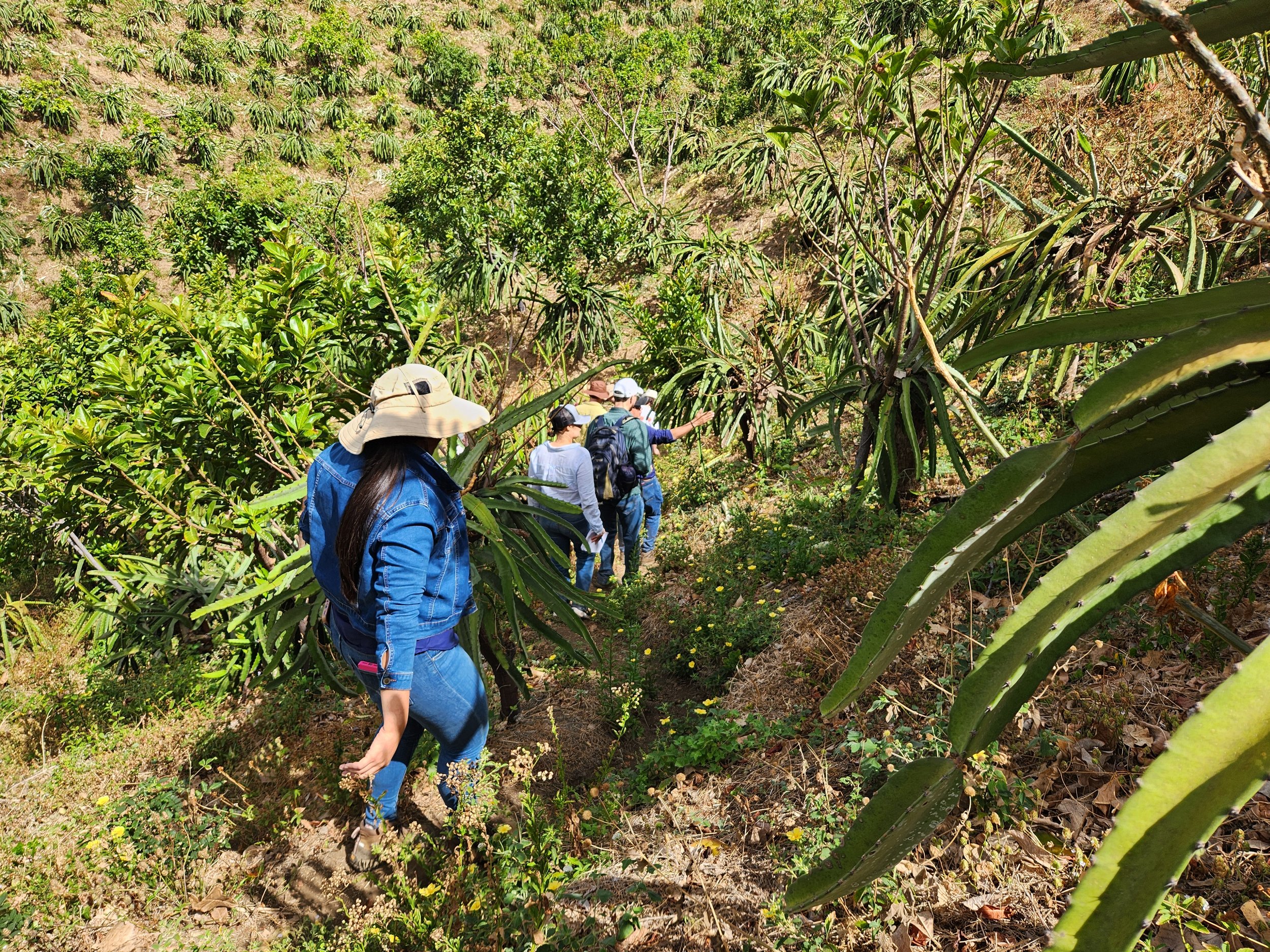
At Sol Organica, our Nicaraguan red dragon fruit (pitahaya) is grown by smallholder farming partners in Nicaragua's nutrient-rich volcanic soils. Known for its exceptionally deep magenta colour, it delivers a level of colour intensity that can help brands achieve strong visual impact while using less product within the formulation.
As a result, conversations about Nicaraguan pitahaya often begin with colour, but they rarely end there.
Increasingly, beverage manufacturers are discovering that stronger colour performance can create value throughout the product development process, from formulation efficiency to supply chain operations.
Why Colour Performance Matters
As consumer demand for naturally colourful products continues to grow, beverage manufacturers are placing greater emphasis on ingredients that can deliver visual impact without relying on artificial colours.
Colour plays an important role in how consumers experience a product. Before flavour, aroma, or texture are perceived, colour often creates the first impression. It can influence perceptions of freshness, quality, flavour intensity, and even the overall premium positioning of a beverage.
For brands operating in highly competitive categories, visual differentiation matters.
This is one reason pitahaya has become increasingly popular in beverage innovation. Rich in naturally occurring betalains, it offers the vibrant pink and magenta tones that consumers associate with fresh, fruit-forward, and wellness-focused products.
However, not all pitahaya delivers the same level of colour intensity.
For manufacturers seeking a bold and vibrant visual profile, the concentration of colour within the ingredient can have a significant impact on formulation outcomes.
From Colour Intensity to Formulation Efficiency
Colour is often discussed as a marketing advantage, but it can also play an important role in formulation performance.
When an ingredient delivers a more concentrated colour profile, formulators may be able to achieve their desired visual result using lower inclusion rates. In practical terms, this means the ingredient is working harder within the formulation.
This is one of the key advantages of Nicaraguan pitahaya.
Its exceptionally deep magenta colour allows beverage manufacturers to create strong visual impact while potentially using less product to achieve their target colour profile.
For formulation teams, this can create greater flexibility during product development. Rather than adding larger quantities of ingredient to reach a desired appearance, the formulation can often achieve the same visual objective more efficiently.
The result is not simply a more colourful beverage, but a formulation that may require less ingredient input to achieve the desired outcome.
Looking Beyond Price Per Kilogram
Ingredient selection often begins with a comparison of price per kilogram, and understandably so.
However, when evaluating ingredients with different levels of performance, purchase price alone does not always provide a complete picture.
What ultimately matters is the amount of ingredient required to achieve the desired result.
This is where the concept of value-in-use becomes particularly relevant.
When beverage manufacturers evaluate Nicaraguan pitahaya, they are often assessing more than the cost of the ingredient itself. They are also considering the relationship between colour performance and ingredient usage.
If a more intensely coloured pitahaya allows the desired visual profile to be achieved using significantly lower inclusion rates, the overall economics of the formulation can change considerably.
Rather than focusing solely on the cost of an ingredient, manufacturers can evaluate the value created by its performance within the application.
Value Beyond the Formulation
The benefits of formulation efficiency can extend well beyond product development.
When lower volumes of ingredients are required, additional efficiencies may also be realised throughout the supply chain. Freight requirements, warehousing, freezer storage, and inventory management can all be influenced by the volume of ingredients moving through the system.
For frozen tropical fruit ingredients such as pitahaya purée, these considerations can contribute meaningful value over time.
As a result, many procurement and innovation teams are increasingly taking a broader view of ingredient performance, considering not only the purchase price but also the operational efficiencies that can be created throughout the production process.
A Different Perspective on Ingredient Value
At Sol Organica, we believe ingredient value is best understood through performance.
The exceptional colour intensity of our Organic Certified Nicaraguan pitahaya is certainly one of its defining characteristics. Yet for many beverage manufacturers, the real advantage lies in what that colour intensity enables: stronger visual impact, greater formulation efficiency, and the potential to create value throughout the product development process.
Grown through partnerships with in Nicaragua, our pitahaya combines vibrant natural colour with a sourcing story rooted in transparency, farmer collaboration, and long-term agricultural sustainability.
When viewed through this broader lens, ingredient selection becomes about more than comparing prices.
It becomes about understanding how an ingredient performs, how efficiently it helps achieve formulation goals, and the value it can create from product concept through to final production.
Questions buyers ask
Color intensity can affect dosage, visual differentiation, formulation efficiency, and the perceived vibrancy of beverages, smoothie bowls, and wellness products.
Sol Organica supplies organic pitahaya/dragon fruit ingredients and can discuss puree, IQF, dried, and powder formats for commercial applications.
Continue exploring
Make dragon fruit work harder in your formulation
Compare color performance, format options, and value-in-use before you source by price alone.
Questions buyers ask
Color intensity can affect dosage, visual differentiation, formulation efficiency, and the perceived vibrancy of beverages, smoothie bowls, and wellness products.
Sol Organica supplies organic pitahaya/dragon fruit ingredients and can discuss puree, IQF, dried, and powder formats for commercial applications.