
Natural color · R&D scale-up
Dragon Fruit Can Make a Product Impossible to Ignore. But the Color Has to Survive Scale-Up.
The useful question is not whether dragon fruit can add color. It is whether the color survives the real formula and process.
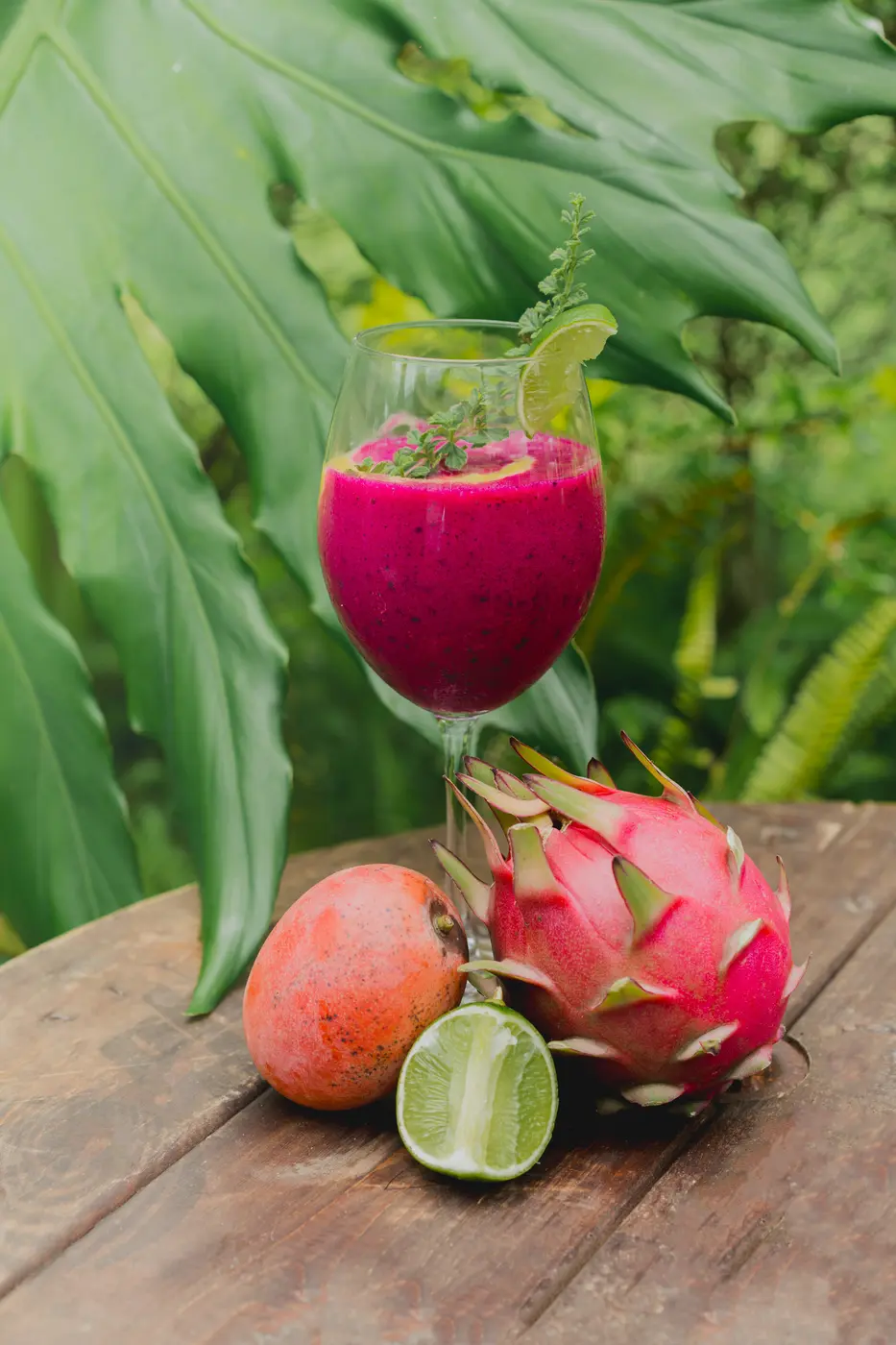
A bench sample can be persuasive in about three seconds.
The formula turns magenta. Someone takes a photo. The room agrees that the concept looks alive.
Then the real work begins.
Color has to survive mixing, heat, filling, storage, distribution and the packaging a consumer eventually sees. It has to work inside the actual beverage, sorbet, yogurt alternative, fruit preparation or frozen dessert—not in a clear cup under perfect light.
That is why we think the useful question is not, “Can dragon fruit add color?”
It is: What must your team test before that color earns a place in the commercial formula?
Dragon fruit brings color as part of a real fruit ingredient
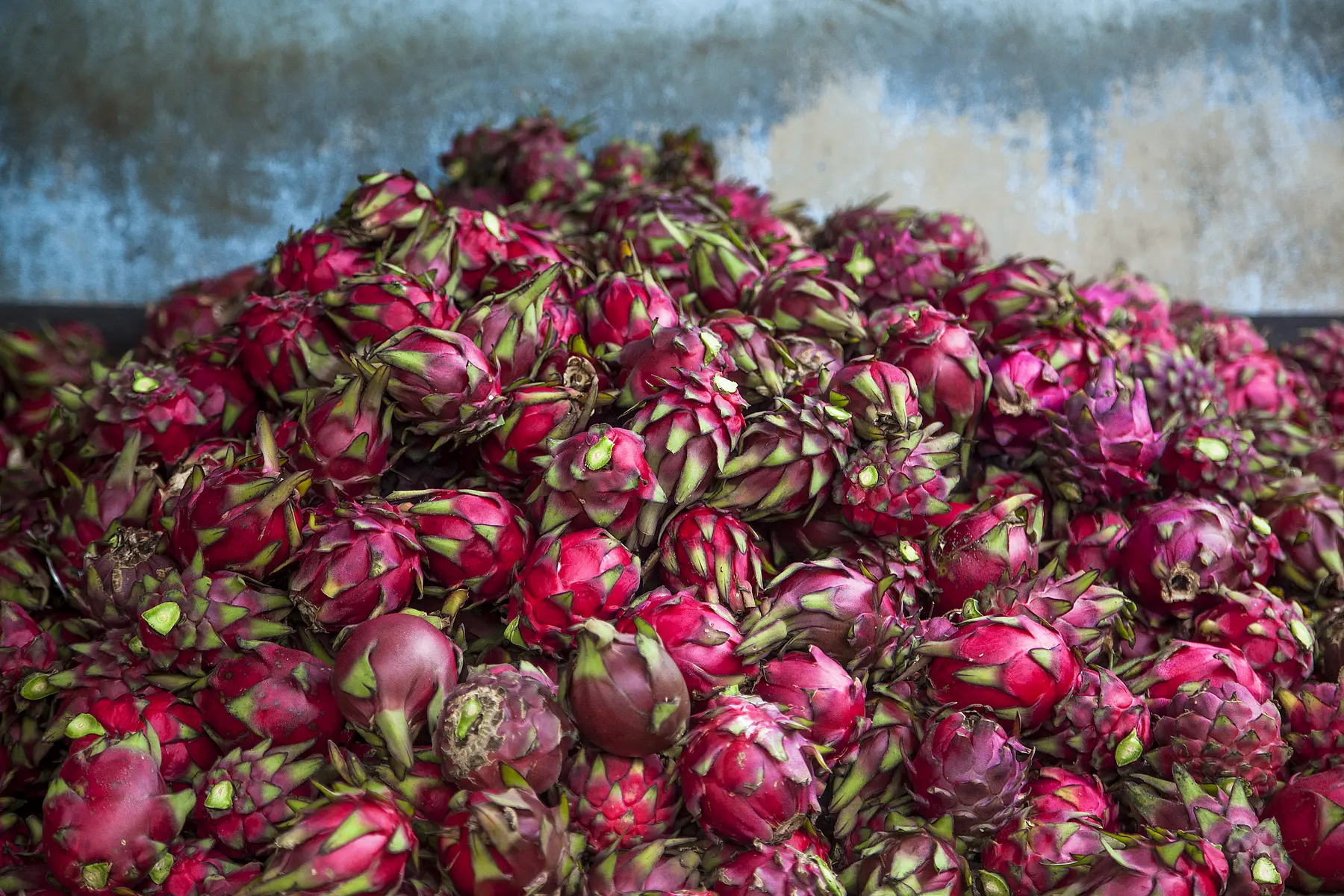
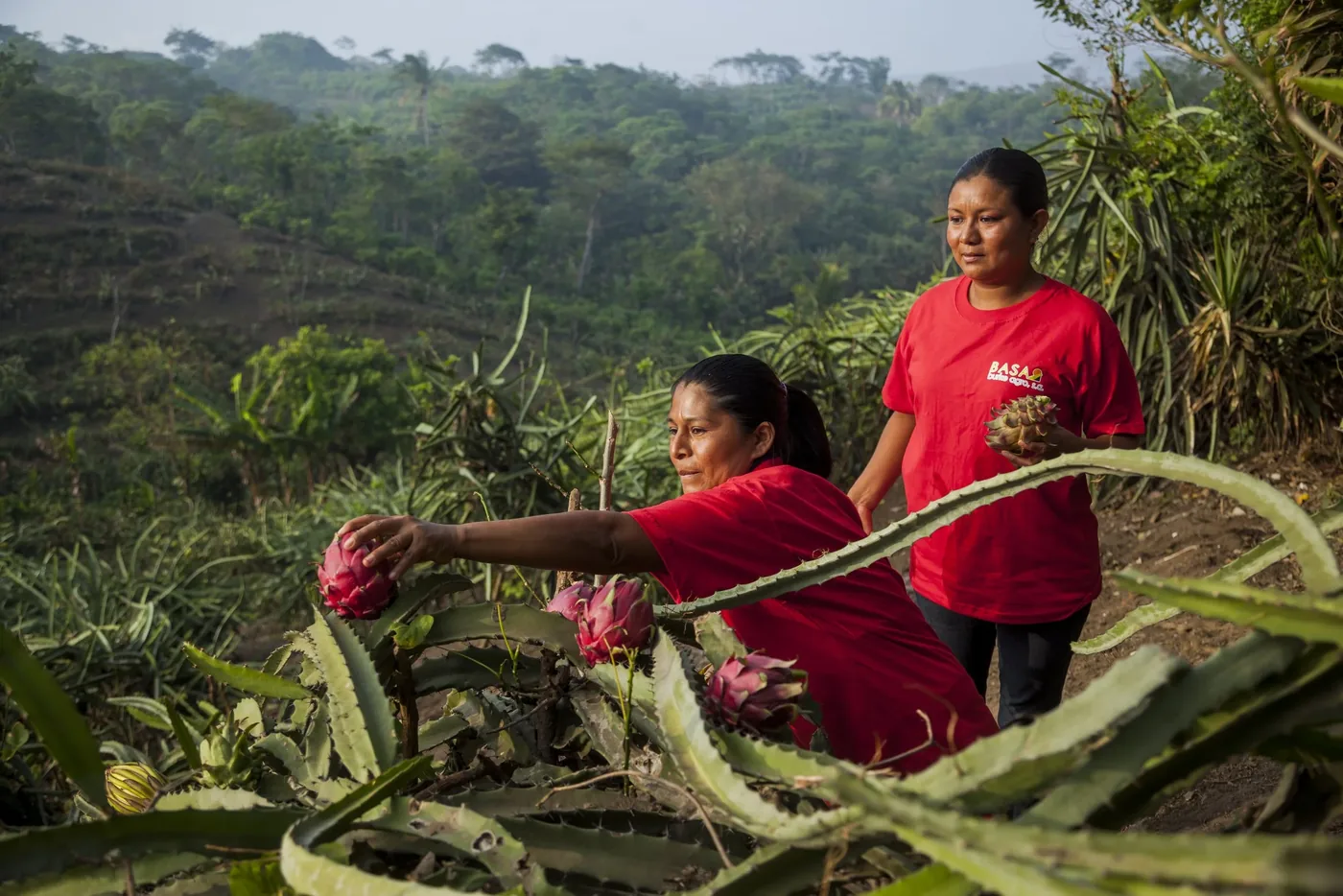
Red-fleshed pitahaya gets its vivid color from naturally occurring betalain pigments. In a formulation, the purée can contribute fruit identity, solids, flavor and a strong visual signal at the same time.
That combination is commercially interesting. A developer may be able to create a recognizable tropical story while building color into the ingredient system rather than treating appearance as a separate decorative decision.
Our current linked specification describes our organic pitahaya purée as 100% organic pitahaya, with no added sugar or preservatives. It lists a range of 10–13° Brix and pH 3.8–4.8. Those numbers help define the ingredient arriving at your facility.
They do not predict the final shade in your formula.
The product matrix gets the final vote.
Start with a dose ladder, not one beautiful sample
One usage rate can show possibility. A dose ladder shows control.
Prepare several concentrations in the real base and photograph them under the same lighting. Record the formula, ingredient lot, mixing order and time after preparation. If the target is a beverage, evaluate the beverage. If it is a frozen dessert, freeze it. If it is a cultured product, run the culture.
The useful outcome is not necessarily the darkest color. It is the lowest practical dose that delivers the intended appearance without creating unwanted changes in flavor, texture, viscosity, cost or processing behavior.
For procurement, that dose also creates a better commercial question. Cost per kilogram tells only part of the story. Cost at the effective use level is what belongs in the product brief.
Test the matrix because ingredients do not behave alone
A dragon fruit purée can look different in water, oat base, dairy, coconut, fruit blends and high-solids systems. Proteins, fats, suspended particles and other colors change what the eye sees.
So do neighboring ingredients.
A yellow or orange fruit can warm the magenta. A pale base may display it clearly. An opaque matrix may require a different dose. Acids, minerals and antioxidants can influence pigment behavior in ways that are difficult to predict from a standalone sample.
This is where a good color trial becomes more than a photograph. It becomes a formulation record.
pH matters—but it is not the only variable
Research on betalains consistently identifies pH, temperature, oxygen, light, water activity, pigment concentration and food-matrix composition as important stability factors.
That does not give every product developer one universal “best pH.” It gives the team a test plan.
Evaluate the intended pH range rather than one target point. Measure color immediately after adjustment and again after processing and storage. If the formula may drift during fermentation or shelf life, include that movement in the study.
The objective is to understand the color inside the commercial operating window—not to optimize a laboratory solution that the finished product will never resemble.
Put the color through the real process
Heat treatment can affect betalain color. So can shear, hold time, exposure to air and the point at which the purée enters the process.
Run the intended thermal profile. Compare adding the ingredient earlier and later when the process permits. Record inlet and outlet temperatures, hold time and visible color change. For frozen products, include freeze-thaw cycles. For beverages, include filling conditions and headspace. For products with a long distribution window, do not stop at day one.
If the plant process is different from the bench process, the plant process wins.
Packaging is part of the color system
Light and oxygen do not disappear when formulation is complete.
Compare the intended package with a light-protected control. If the product will be sold in a clear bottle, test it in the clear bottle. If the closure leaves meaningful headspace, include that condition. If the product will travel frozen, refrigerated or ambient, reproduce the relevant storage temperature.
The most useful shelf-life study pairs instrumental measurement with standardized photography and sensory review. CIELAB values and color difference can help quantify movement. Photos show what the customer may notice. Sensory review confirms that protecting color did not create another problem.
A practical dragon fruit color scale-up matrix
| Test | What to vary | What to record | |---|---|---| | Dose | Several realistic use levels | Color, flavor, texture and cost in use | | Matrix | Actual base and key ingredient combinations | Visual intensity, opacity and interactions | | pH | Expected operating range | Initial and stored color measurements | | Process | Heat, hold time, shear and addition point | Color before and after processing | | Oxygen | Mixing exposure, headspace and closure | Color change and off-notes over time | | Light | Clear package versus protected control | Instrumental and visible change | | Temperature | Frozen, refrigerated or ambient as applicable | Stability across the real distribution condition | | Time | Commercially relevant checkpoints | Trend, not just pass/fail at day one | | Sensory | Finished formula at target dose | Flavor, aroma, mouthfeel and overall acceptance |
This matrix is the asset we would want beside the sample request. It turns “look at this color” into a repeatable development program.
Choose the format around the job
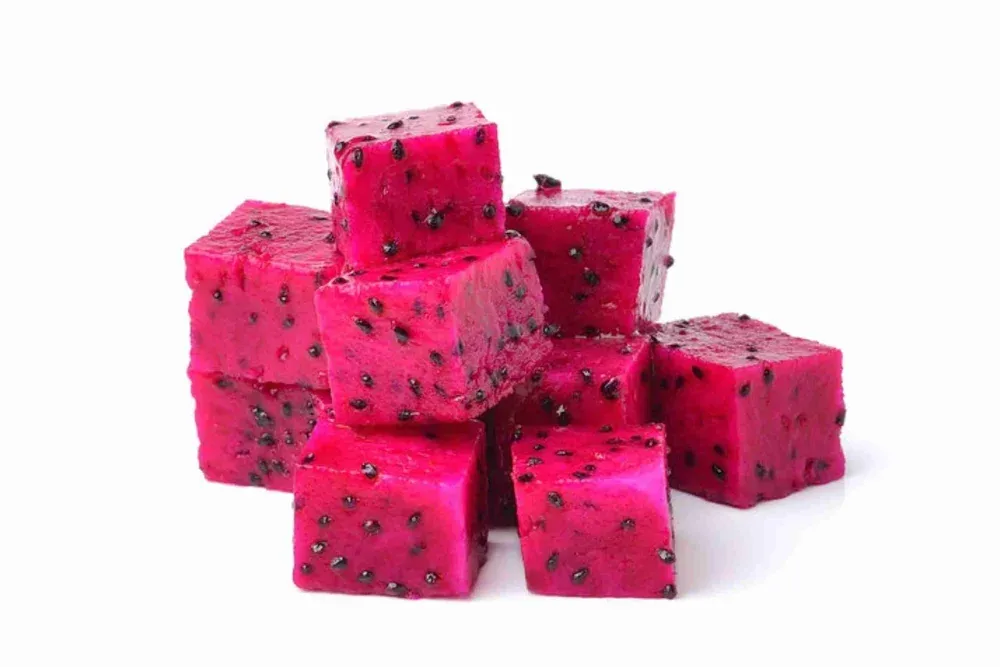
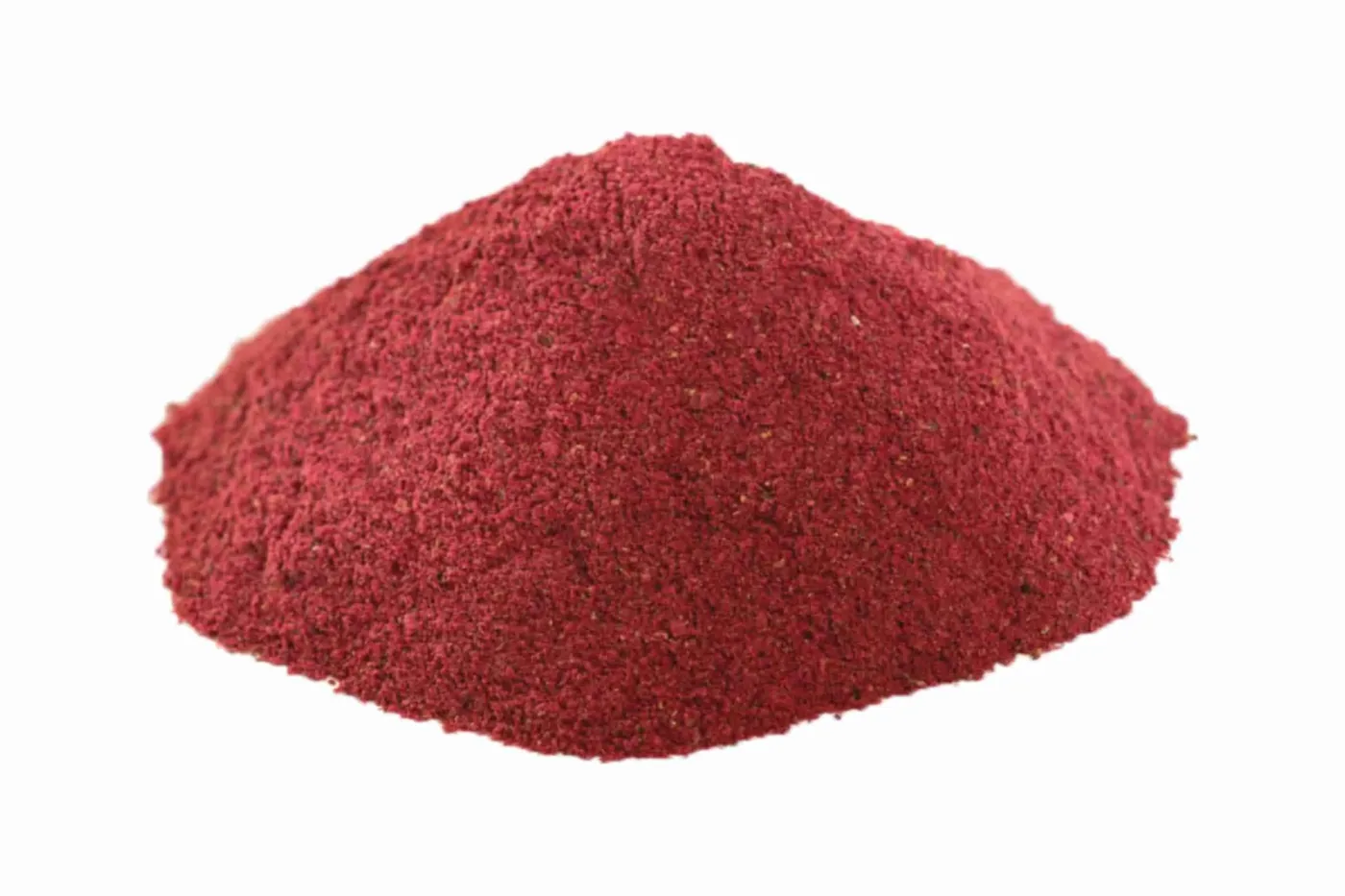
Purée is useful when the product needs distributed color together with fruit identity and body. IQF pitahaya is a different tool: visible pieces, frozen convenience and a more obvious fruit inclusion. Dried pitahaya and pitahaya powder belong in dry systems and inclusions where moisture contribution and processing needs differ.
The formats should not be treated as interchangeable versions of the same ingredient. Each changes handling, water contribution, texture, processing and the way color reaches the finished product.
We can help a development team compare the current specification, sample the relevant format and structure a test around the intended application.
The claim comes after the test
Dragon fruit purée can contribute vivid natural color as a food ingredient. How that contribution may be described on a label depends on the formulation, ingredient function, market and applicable regulatory review.
That review belongs near the beginning of commercialization, not after the package has been designed.
The same discipline applies to performance claims. A bright bench sample is evidence of a bright bench sample. A controlled scale-up and shelf-life study is evidence the product team can use.
Product-development resource
Dragon fruit color scale-up matrix
Turn one impressive bench sample into a controlled development program that R&D, procurement and quality can use.
Planning a beverage, frozen dessert or fruit-forward application? Contact our team to request the current dragon fruit purée specification, sample availability and documentation for your market. You can also review IQF pitahaya and dried pitahaya powder when a different format better fits the product.
Research basis: Sol Organica linked technical specification for organic pitahaya purée; peer-reviewed betalain stability research cited in the article.